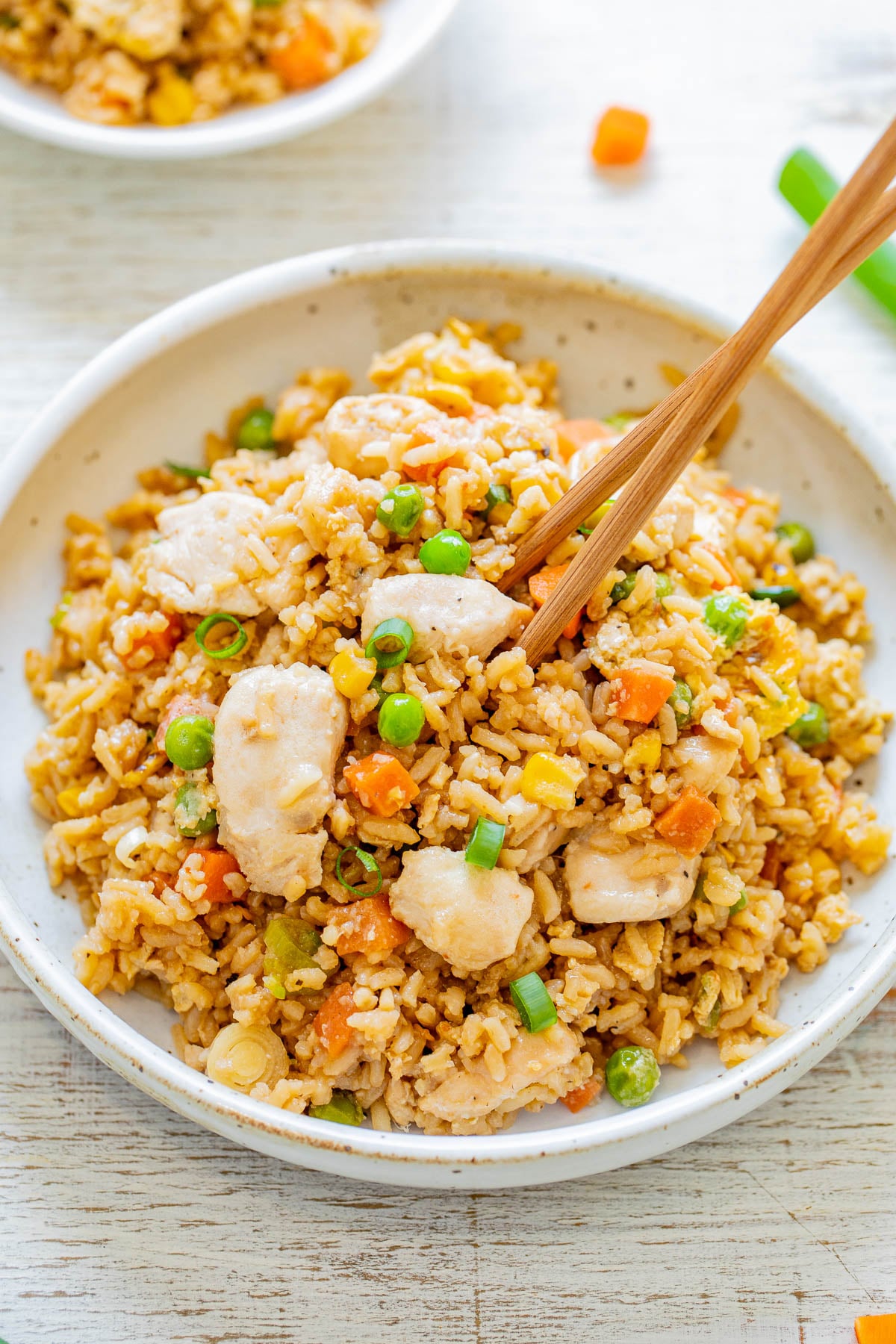
Easy Chicken Fried Rice: Better Than Your Favorite Takeout
Craving that comforting, savory taste of your favorite takeout but wishing it had a little more *oomph*? Imagine a generous serving of perfectly cooked, fluffy rice studded with succulent, juicy chunks of chicken, vibrant vegetables, and ribbons of egg – all made fresh in your own kitchen. This isn't just a dream; it's the reality of homemade
chicken fried rice, a dish so simple to master, it will quickly replace your delivery cravings. Forget the skimpy portions and often-dry chicken you get from commercial establishments; with this guide, you're about to unlock the secrets to an easy, customizable, and utterly delicious
chicken fried rice that truly is better than anything you'll order in.
Why Homemade Chicken Fried Rice Reigns Supreme Over Takeout
For many, the allure of takeout fried rice lies in its convenience. However, a closer look reveals that convenience often comes at the cost of quality and quantity. Chinese takeout restaurants, operating on tight margins and needing to keep prices low, frequently minimize costly ingredients like protein and fresh vegetables. This often means tiny pieces of chicken, if any, and a sparse scattering of peas and carrots. The result is a dish that, while flavorful from sauces, often leaves you wanting more.
Homemade
chicken fried rice, on the other hand, puts you in complete control. You can choose high-quality ingredients, ensuring your chicken is tender and plentiful, and your vegetables are fresh and crisp. There’s no need to limit yourself to a few token vegetables; you can load it up with your favorites, creating a meal that is not only more satisfying but also healthier. Plus, you control the amount of oil and sodium, allowing you to tailor it perfectly to your dietary preferences without sacrificing flavor. The difference in taste, texture, and overall satisfaction is so profound, you’ll wonder why you ever settled for less.
The Unsung Hero: Day-Old Rice for Superior Texture
The foundation of any truly great fried rice, whether it's chicken, pork, or vegetable, is the rice itself. And here's a crucial tip:
always use day-old (or even two-day-old) cooked rice. This isn't just a suggestion; it's practically a commandment in the world of stir-frying. Freshly cooked rice retains too much moisture, leading to a clumpy, mushy mess when stir-fried. Day-old rice, having had time to dry out in the refrigerator, becomes firm and separate, allowing each grain to absorb the delicious flavors of the sauces without sticking together. This is the secret to achieving that signature fluffy, slightly chewy texture that defines authentic fried rice.
If you don't have leftover rice, don't despair! You can quick-chill freshly cooked rice. Simply spread hot rice in a thin layer on a baking sheet, tray, or large plate. Allow it to cool completely at room temperature for about 30 minutes, then transfer it to the refrigerator for at least an hour (or ideally, longer) to dry out further. This method significantly improves its stir-fry potential, bringing it closer to the ideal texture of truly day-old rice. Medium-grain white rice or jasmine rice are excellent choices for fried rice due to their ideal starch content and aroma.
Mastering the Basics: A Simple Chicken Fried Rice Recipe Template
While this recipe is designed to be a template for endless customization, it's always a good idea to master the foundational steps first. Once you understand the core technique, you'll feel confident experimenting with variations.
Here’s a basic breakdown of the process for your perfect
chicken fried rice:
1.
Prepare Your Ingredients (Mise en Place): This is the golden rule of stir-frying. Chop all your vegetables, cube your cooked chicken, beat your eggs, and measure out your sauces before you even turn on the heat. Stir-frying is fast, and you won't have time to chop mid-cook.
2.
Cook the Egg: Lightly beat a couple of eggs with a splash of water. Melt a little butter or oil in a large skillet or wok over medium-low heat. Pour in the egg mixture and cook gently, almost like a thin omelet, without stirring. Once set, remove, shred, and set aside. These delicate ribbons of egg add both color and a tender texture.
3.
Sauté Aromatics: Heat a bit more oil (a high smoke point oil like canola, vegetable, or peanut oil is ideal) in your skillet or wok over medium-high heat. Add finely diced onion and cook until softened and fragrant, typically 2-3 minutes. This builds the flavor base.
4.
Introduce Rice and Chicken: Add your cold, day-old rice to the skillet. Break up any clumps with your spatula. Stir in your pre-cooked chicken pieces.
5.
Season and Stir-Fry: Pour in soy sauce (use a light soy sauce for flavor without overly darkening the rice), a dash of white pepper, and any other desired seasonings like a touch of sesame oil or oyster sauce. Continuously stir and toss the rice mixture, ensuring all the grains are coated and heating through evenly. This stage typically takes about 5 minutes, allowing the rice to develop a slight toastiness.
6.
Finish with Egg and Fresh Scallions: Stir in your shredded cooked egg and any quick-cooking vegetables like bean sprouts or peas, if using. Toss for another minute until everything is well combined and heated through. Garnish with fresh chopped scallions for a burst of color and fresh oniony flavor. Serve hot!
Unleash Your Inner Chef: Customizing Your Chicken Fried Rice
The beauty of homemade
chicken fried rice lies in its incredible versatility. The recipe above is merely a starting point. Once you've mastered the basic technique, feel free to let your imagination (and your refrigerator contents) guide you.
*
Vegetable Powerhouse: Beyond onions, bean sprouts, and scallions, the possibilities are endless. Consider adding diced carrots, peas, corn, bell peppers (red, yellow, or green for color), broccoli florets, spinach, mushrooms, or even bamboo shoots and water chestnuts for an authentic crunch. Each adds a unique flavor, texture, and nutritional boost.
*
Flavor Enhancers: Elevate the taste profile further. A dash of dark soy sauce will give your rice a richer color and slightly deeper flavor. A swirl of toasted sesame oil at the very end adds a nutty aroma. For an extra layer of umami, a tablespoon of oyster sauce is a game-changer. Don't shy away from fresh minced garlic and ginger added with the onions for an aromatic punch.
*
Protein Variations: While our focus is on chicken, remember that fried rice is forgiving. If you have leftover roast pork (char siu), beef, or shrimp, these can easily be substituted or even combined with chicken for a mixed protein dish. For a vegetarian option, pan-fried tofu or tempeh can be fantastic additions.
*
Crunchy Add-ins: For an unexpected textural delight, consider adding a handful of cashews or almonds during the final minutes of cooking. This offers a delightful contrast to the softer ingredients.
* For even more creative ideas and how to personalize your dish, explore our guide on
Homemade Chicken Fried Rice: Customize Your Perfect Meal.
Essential Tips for Takeout-Quality Chicken Fried Rice
Achieving that "better than takeout" status isn't just about ingredients; it's also about technique. Here are a few expert tips to elevate your
chicken fried rice:
*
High Heat is Key: For true stir-frying, you need high heat. This sears the ingredients quickly, preventing them from steaming and becoming soggy. If using a standard large skillet, ensure it’s preheated thoroughly. A wok is ideal as its sloped sides allow for maximum heat and easy tossing, but a large, heavy-bottomed skillet works perfectly well for most home cooks.
*
Don't Overcrowd the Pan: This is crucial. If you add too many ingredients at once, the temperature of your pan will drop drastically, and the ingredients will steam instead of fry. If you're making a large batch, cook in two separate batches to maintain high heat and achieve that desirable slightly charred flavor.
*
Velveting Your Chicken: To ensure your chicken pieces remain incredibly tender and juicy, even after stir-frying, try a simple velveting technique. Toss your cubed chicken with a small amount of soy sauce, cornstarch, and a touch of sesame oil for about 15-20 minutes before cooking. You can quickly stir-fry the chicken separately until just cooked, then remove it and add it back in with the rice later. This ensures incredibly tender chicken every time.
*
Sauce Strategy: Add your sauces towards the end of the cooking process, directly onto the hot rice. This allows the sauce to caramelize slightly and coat each grain evenly without making the dish overly wet.
* Dive deeper into these expert strategies and other secrets to tender chicken with our
Quick & Juicy: Pro Tips for Perfect Chicken Fried Rice.
With these tips and the foundational recipe, you’re well on your way to creating a
chicken fried rice masterpiece.
In conclusion, making your own
chicken fried rice at home is not just about cooking a meal; it's about reclaiming control over what you eat, savoring superior flavors, and enjoying the immense satisfaction of a perfectly executed dish. It's quick enough for a weeknight, versatile enough for any preference, and undeniably more delicious than anything that comes in a carton. So, gather your ingredients, fire up your pan, and get ready to enjoy a homemade meal that will make you forget about takeout for good. Happy cooking!