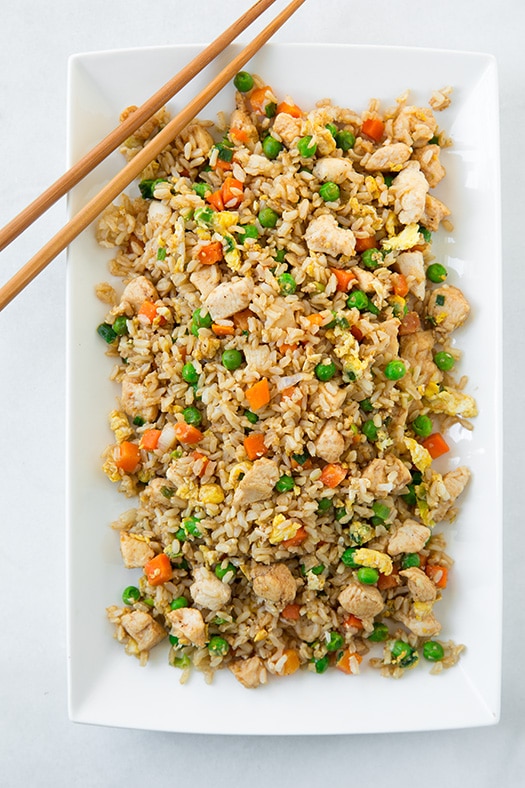
Quick & Juicy: Pro Tips for Perfect Chicken Fried Rice
Ditch the greasy takeout containers and get ready to create a culinary masterpiece right in your own kitchen!
Chicken fried rice isn't just a beloved comfort food; it's a testament to how simple ingredients, when handled with a few clever techniques, can transform into an extraordinary meal. Imagine tender, juicy chunks of chicken, perfectly cooked rice, and crisp, vibrant vegetables all brought together with a savory, aromatic sauce – a dish that's not only quicker than delivery but also tastes infinitely better.
For many, fried rice is synonymous with quick weeknight dinners. While grabbing a carton from your local Chinese restaurant might seem convenient, those options often skimp on quality, offering small pieces of chicken and minimal vegetables to keep costs down. But what if we told you that making superior
chicken fried rice at home is not only achievable but surprisingly easy? This comprehensive guide will arm you with all the pro tips, from selecting the right rice to mastering the stir-fry, ensuring every bite is bursting with flavor and the perfect texture. Get ready to elevate your home cooking and impress your taste buds!
Why Homemade Chicken Fried Rice Reigns Supreme
The allure of homemade chicken fried rice lies in its unparalleled quality and the freedom to customize. Unlike its takeout counterpart, which often prioritizes profit margins, your homemade version can be lavishly appointed with generous, succulent pieces of chicken and an abundance of fresh, crunchy vegetables.
Think about it: at home, you control the cut and quantity of chicken. Instead of sparse, tiny slivers, you can enjoy substantial, juicy chunks of chicken breast or thigh, cooked to perfection. While chicken might sometimes be overlooked in favor of more robust proteins like pork or beef in traditional fried rice, a well-prepared chicken provides a mild, versatile base that truly shines when paired with the right seasonings and fresh produce. It's an excellent choice for those who prefer leaner protein, avoid pork, or simply have some leftover cooked chicken waiting in the fridge.
Furthermore, homemade means fresher. You pick the crispest carrots, the brightest green peas, and the most aromatic onions. You decide on the amount of oil, the sodium level in your soy sauce, and whether to add a whisper of sesame oil for an extra layer of nutty depth. This control over ingredients not only results in a healthier dish but also one that bursts with superior flavor and texture, making every spoonful a delightful experience.
The Foundation: Essential Ingredients and Prep Tips for Success
The secret to truly outstanding chicken fried rice begins long before the wok even hits the flame. Proper ingredient selection and preparation are paramount, especially when it comes to your rice.
The Golden Rule: Cold Rice is Your Best Friend
Perhaps the most crucial tip for perfect fried rice is to use
cold, day-old cooked rice. This isn't just a suggestion; it's a game-changer. Freshly cooked rice is too moist and steamy; when stir-fried, it tends to clump together, become gummy, and makes for a mushy final product. Cold rice, on the other hand, dries out slightly and firms up, allowing the individual grains to separate beautifully when stir-fried. This results in that desirable fluffy, slightly chewy texture that defines great fried rice.
*
Planning Ahead: Cook your rice the day before and let it cool completely before refrigerating it in an airtight container.
*
Quick Fix: If you're short on time and only have freshly cooked rice, spread it out thinly on a baking sheet. Pop it in the refrigerator or even the freezer for 15-30 minutes to rapidly cool and dry it out.
*
Microwave Pouches: For ultimate convenience, microwave rice pouches can work in a pinch. Just ensure you spread the cooked rice on a tray and let it cool completely before adding it to the wok.
Preparing Your Proteins and Veggies
*
The Chicken: For the quickest fried rice, use pre-cooked chicken. Leftover roasted chicken, rotisserie chicken, or even quickly stir-fried chicken breast or thigh pieces work wonderfully. Cut the chicken into
juicy, bite-sized chunks – considerably larger than what you'd typically find in takeout.
*
Eggs: The signature golden ribbons of egg are a must. Beat a couple of eggs with a tablespoon of water or milk to lighten them, then cook in a lightly oiled pan until just set, forming a thin omelet. Remove, shred, and set aside.
*
Aromatics: Onion is a classic base, providing essential sweetness and pungency. Consider adding minced garlic and ginger for an extra layer of authentic Asian flavor.
*
Vegetables: This is where versatility truly shines. Common additions include peas, carrots (diced small), bean sprouts, and scallions. Remember to cut all your vegetables into small, uniform pieces to ensure even cooking and easy incorporation into the rice.
*
Mise en Place: "Everything in its place." Have all your ingredients prepped, chopped, and measured before you even turn on the stove. Stir-frying is a rapid process, and you won't have time to chop mid-cook.
Mastering the Stir-Fry: A Step-by-Step Guide
With your ingredients prepped, it's time to bring them all together in the wok or skillet. High heat and quick movements are the keys to a successful stir-fry.
1.
Heat Your Pan: Use a large wok or a heavy-bottomed skillet. Heat it over medium-high to high heat until it's very hot. Add a tablespoon or two of a high smoke point oil (like canola, grapeseed, or peanut oil).
2.
Cook the Eggs: If you haven't already, quickly cook your beaten eggs in a thin layer. Once set, remove from the pan, shred, and set aside.
3.
Sauté Aromatics and Harder Veggies: Add your onions to the hot oil and stir-fry for 1-2 minutes until softened and fragrant. If adding carrots or other harder vegetables, add them now and cook for another 2-3 minutes until slightly tender-crisp.
4.
Add the Chicken and Rice: Introduce your cooked chicken pieces and the star of the show – the cold rice. Break up any clumps of rice with your spatula or spoon. Stir-fry vigorously, tossing and stirring constantly for about 3-5 minutes. The goal is to heat the rice thoroughly and allow some grains to get slightly toasted and separated.
5.
Season and Finish: Pour in your soy sauce, a dash of white pepper, and any other desired seasonings (a touch of oyster sauce or sesame oil for added depth). Continue to stir-fry for another minute, ensuring everything is well combined and evenly coated. Finally, toss in your softer vegetables like bean sprouts, peas, and the reserved shredded egg and scallions. Cook for just another minute until heated through, maintaining their crunch.
6.
Serve Immediately: Fried rice is best enjoyed fresh off the wok!
Practical Tip: Avoid overcrowding your pan. If you're making a large batch, it's better to cook the fried rice in two separate portions to maintain high heat and achieve the best texture.
Unleash Your Inner Chef: Customization and Variations
The beauty of
chicken fried rice lies in its incredible versatility. Once you've mastered the basic technique, the recipe truly becomes a template for your culinary creativity. The only limit is your imagination!
*
Vegetable Powerhouse: Go beyond the basics. Incorporate mushrooms, broccoli florets, diced bell peppers, corn, spinach, or even edamame for added color, nutrition, and texture. Feel free to use what's seasonal and fresh.
*
Flavor Boosters: A splash of dark soy sauce can add richer color and a deeper umami flavor. A tiny pinch of sugar can balance the saltiness, while a few drops of toasted sesame oil, added at the very end, imparts an irresistible nutty aroma. For those who like a bit of heat, a drizzle of chili oil or a pinch of red pepper flakes can kick things up a notch.
*
Texture Enhancers: For an unexpected crunch, toss in some toasted cashews or slivered almonds during the last minute of cooking. Water chestnuts can also add a pleasant crispness.
*
Protein Swaps: While our focus is on chicken, remember that this base recipe is incredibly adaptable. If you're a fan of other proteins, you can easily substitute the chicken with cooked shrimp, diced pork (especially char siu), or even tofu for a vegetarian option.
Remember the golden rule: follow the directions as written just once to grasp the core technique. After that, feel free to experiment to your heart's content, adjusting ingredients and proportions to suit your unique taste. Once you've mastered the basics of
Easy Chicken Fried Rice: Better Than Your Favorite Takeout, you'll feel confident to explore even more intricate variations. For deeper insights into tailoring your meal, check out our guide on
Homemade Chicken Fried Rice: Customize Your Perfect Meal.
Conclusion
Creating perfect
chicken fried rice at home is an incredibly rewarding culinary journey. From understanding the pivotal role of cold rice to mastering the swift dance of the stir-fry, you now have the tools and knowledge to craft a dish that rivals, and often surpasses, anything you’d get from a takeout restaurant. This versatile recipe empowers you to control the quality of ingredients, personalize flavors, and enjoy a fresh, wholesome, and utterly delicious meal. So, gather your ingredients, fire up your wok, and embrace the joy of making your own quick, juicy, and utterly irresistible chicken fried rice. Happy cooking!